
Understanding the Importance of a Scheduling Survey for Teams

Introduction
In today’s fast-paced work environment, finding the perfect time for team meetings can be a daunting task. Balancing everyone’s schedules often feels like piecing together a complex puzzle. That’s where scheduling surveys come into play.
These invaluable tools not only streamline the process of setting up meetings but also boost attendance and productivity by ensuring that meetings are held at times convenient for all participants. With remote work leading to a surge in meetings, efficient scheduling has never been more critical. This article delves into the benefits of scheduling surveys, best practices for conducting them, the importance of feedback, and how leveraging modern tools can overcome common challenges.
Discover how to make team meetings more effective and less of a logistical nightmare.
Benefits of Scheduling Surveys
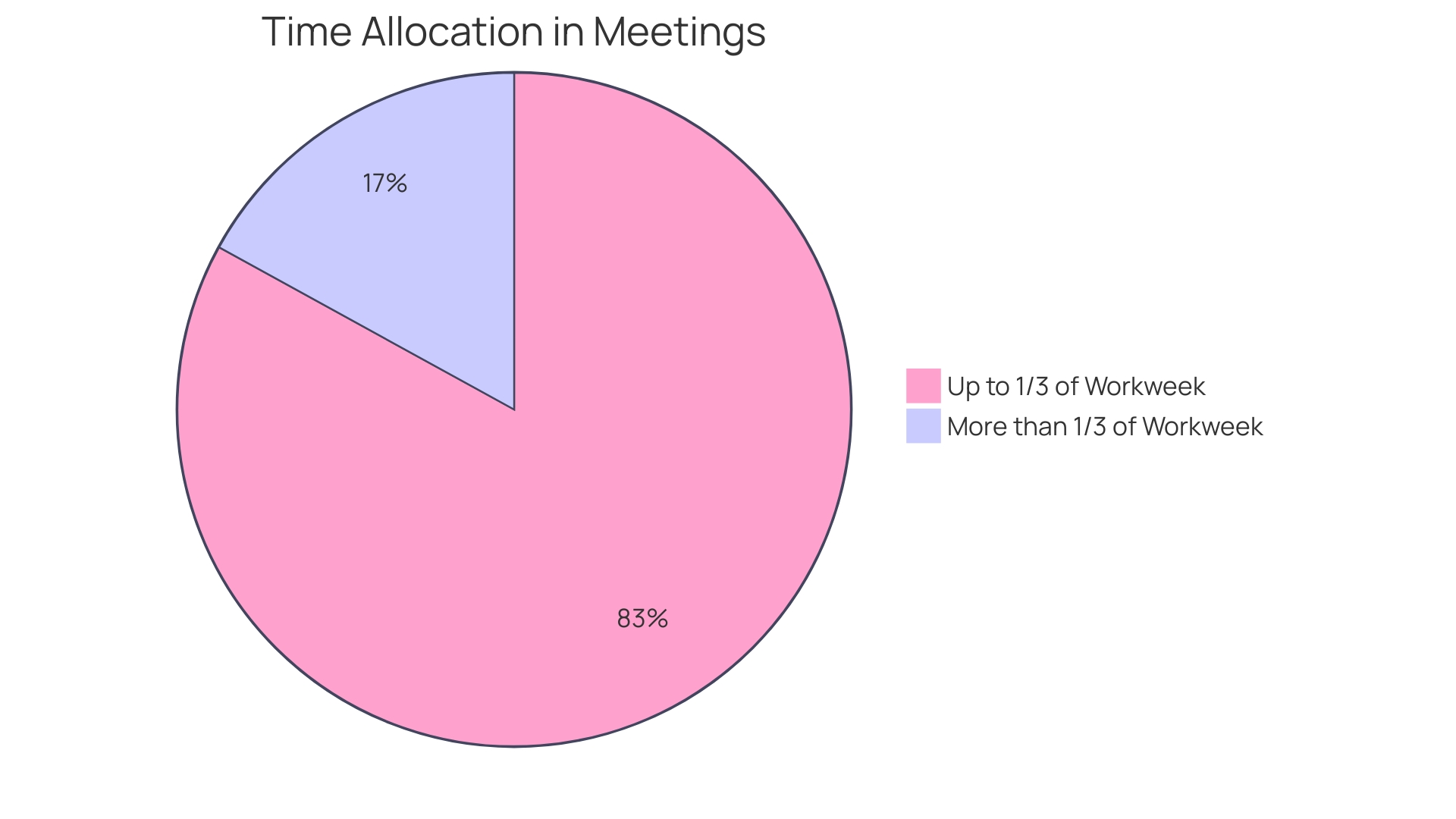
Planning questionnaires are essential instruments for improving group gatherings and cooperation. By gathering feedback from team members about their availability, they ensure gatherings are scheduled at times suitable for most participants. This not only boosts attendance rates but also fosters more productive discussions. Indeed, a study by Harvard Business Review pointed out that remote work resulted in a 13.5% rise in the quantity of gatherings participated in by employees, underscoring the necessity for effective planning. Additionally, approximately 83% of employees allocate up to one-third of their workweek to discussions, making it essential to optimize this process.
The application of organizing surveys greatly minimizes the repeated exchanges usually linked to setting up gatherings, conserving precious time and effort. This approach corresponds with the findings from Buffer’s State of Remote Work Report, which revealed that 61% of workers encountered more gatherings due to the shift to remote work during the pandemic. By reducing planning conflicts and unnecessary holdups, groups can concentrate more on their primary tasks and enhance overall efficiency.
Additionally, frequent individual discussions, a common approach in contemporary software development, can gain advantages from organizing surveys. These meetings, frequently between a manager and an employee, assist in discussing current statuses and motivation. However, without appropriate planning, these conversations can become awkward and unstructured. Utilizing can guarantee these interactions are prompt and impactful, enhancing communication and team unity.
Best Practices for Conducting Scheduling Surveys
To maximize the benefits of scheduling assessments, it’s essential to adhere to some best practices. Start by clearly outlining the goals of your questionnaire. This will help ensure that the questions you ask are relevant and purposeful. Use simple, straightforward questions that are easy to understand, and consider incorporating multiple-choice formats to streamline responses. Punctuality is also crucial—share the questionnaire well ahead of time so all group members have sufficient time to give their feedback.
Moreover, transparency is crucial when it comes to sharing the results. Share the findings transparently with your group so everyone comprehends the reasoning behind the chosen meeting times. This approach not only fosters a sense of inclusion but also helps align everyone’s expectations and commitments.
For example, a study brought to attention by Marcos Kalinowski and his team in their paper on research emphasizes the importance of well-structured questionnaires and clear communication of results to achieve meaningful outcomes. Additionally, (AI) have significantly enhanced the efficiency and effectiveness of research, allowing businesses to gather valuable data that informs better decision-making.
By adhering to these optimal methods, you can guarantee that your planning questionnaires are both efficient and positively accepted by your group.
Importance of Feedback in Scheduling Surveys
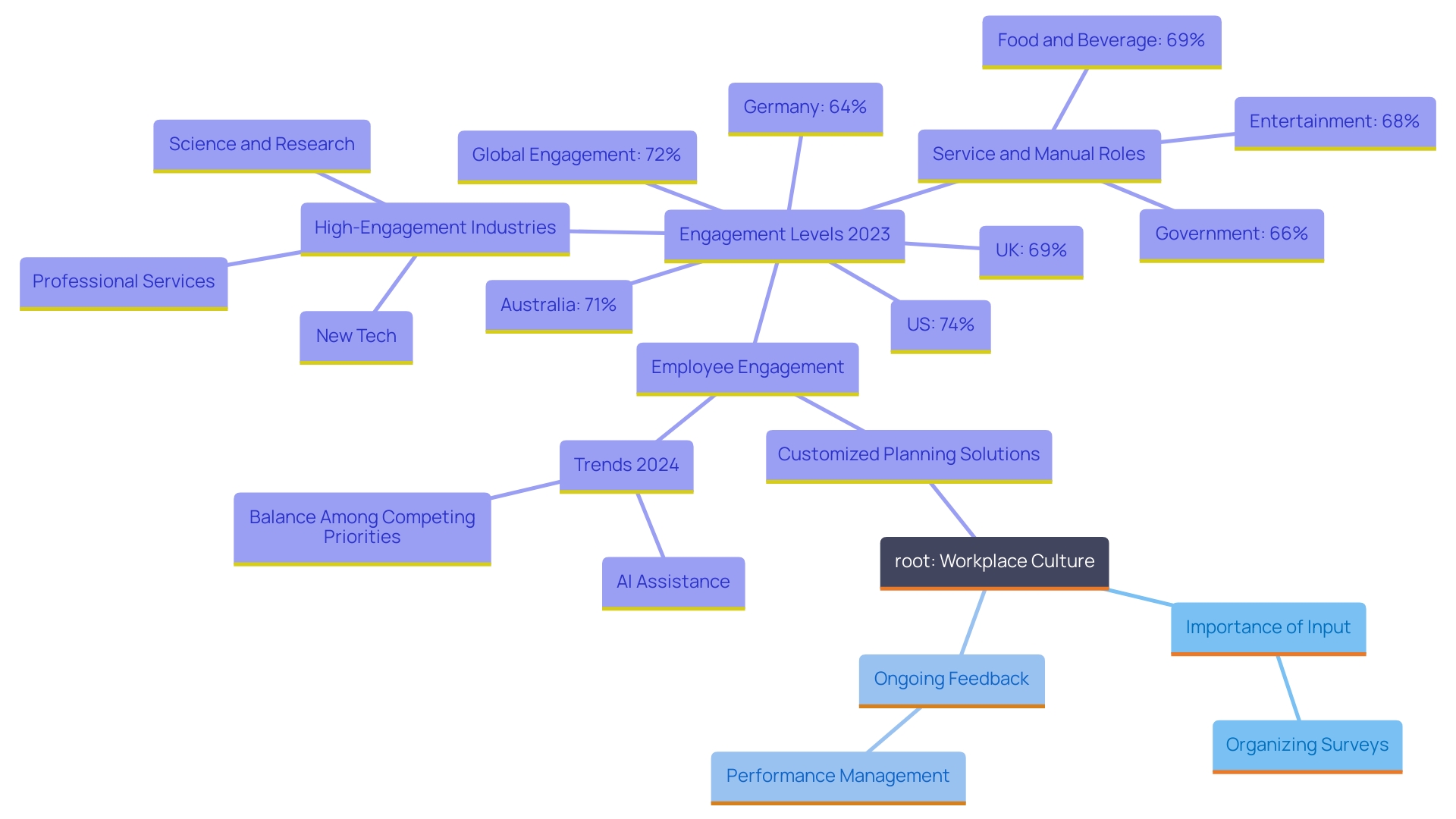
‘Input plays a vital part in organizing surveys, promoting a culture of inclusivity and respect among group members.’. When everyone’s availability is considered, it shows that their time is valued, helping to create a more cohesive and engaged group environment. Gathering input on the effectiveness of meeting times after the survey can significantly enhance future planning processes. This ongoing feedback cycle guarantees that planning techniques adapt to the group’s requirements, fostering a more efficient and inspired work environment.
Moreover, performance management systems benefit from regular feedback, not just annual reviews. Companies often find that old ways of working persist, despite recognizing the importance of ongoing feedback. By incorporating feedback into the , organizations can better align their strategies with group dynamics, driving higher performance and capabilities.
Angela R. Grotto, an expert in human resource analytics, highlights that 44% of employees disagree on what constitutes an off-hours interruption, underscoring the subjectivity of such experiences. This variability highlights the significance of customized planning solutions that respect individual boundaries and preferences.
Incorporating feedback isn’t just about immediate improvements; it’s about adapting to the evolving landscape. Advances in artificial intelligence have greatly enhanced the speed, efficiency, and depth of research capabilities, providing businesses with the data needed to make informed decisions. By leveraging these insights, companies can foster a more dynamic and responsive work environment.
In conclusion, utilizing input in organizing assessments and performance management not only honors contributors’ time but also fosters a culture of ongoing enhancement and flexibility, vital in today’s rapid business environment.
Using Team and Calendar Scheduling Tools
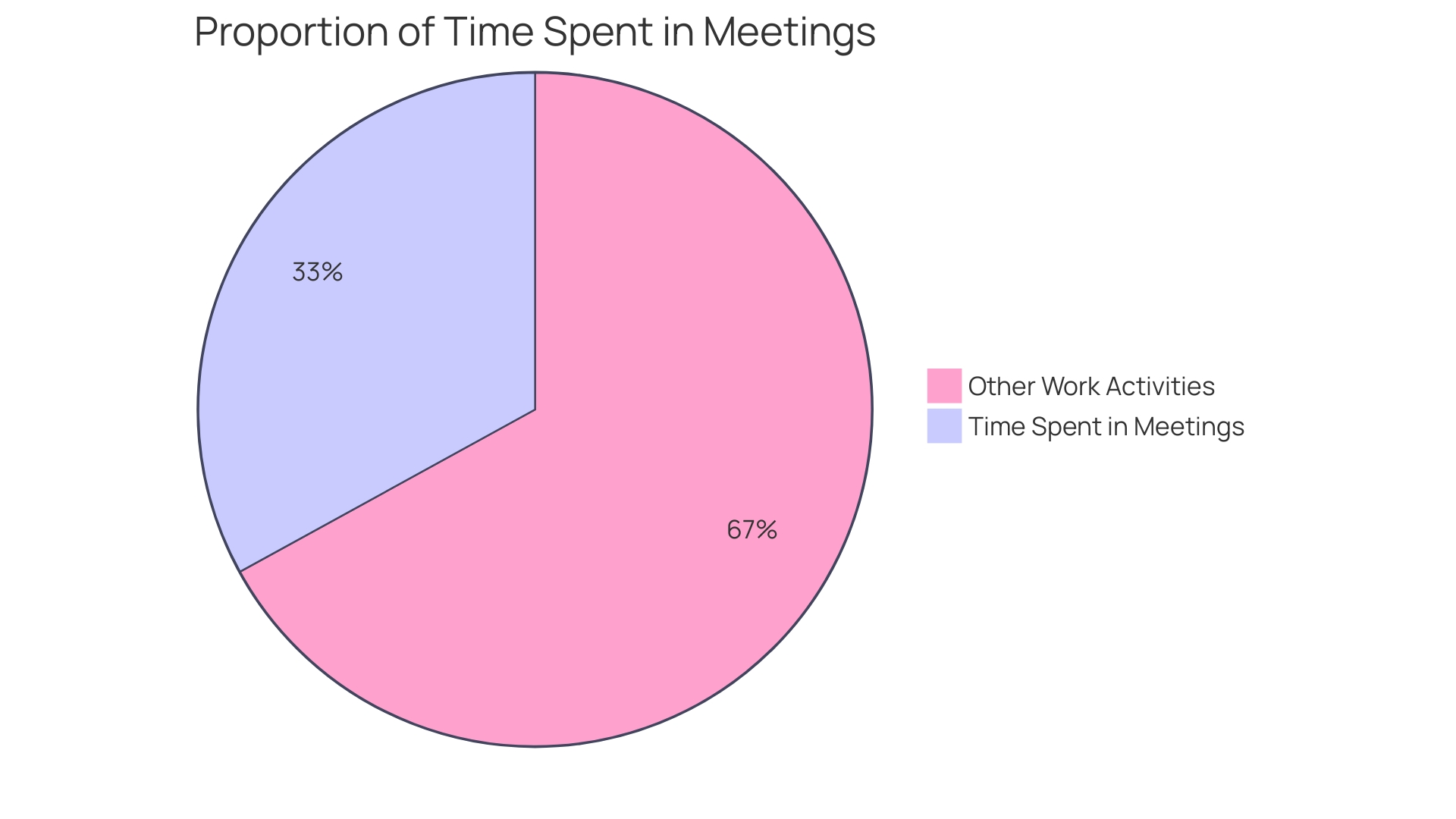
‘Utilizing group and calendar scheduling tools can significantly enhance the efficiency of arranging surveys.’. Tools like Doodle, Calendly, and Google Calendar empower team members to effortlessly share their availability. These platforms offer clear visual cues on everyone’s free slots, making it easier to pinpoint the best meeting times. Incorporating these tools not only but also lowers the likelihood of mistakes and misunderstandings. According to recent data, 58% of American workers are so swamped with daily tasks that they rarely get time to look beyond their immediate to-do list. With the typical employee being productive for only about 2 hours and 53 minutes each workday, utilizing planning tools can be a game-changer. Moreover, the surge in meetings—up by 13.5% during the pandemic—underscores the need for such efficient solutions. In fact, 83% of employees now spend up to a third of their workweek in meetings, emphasizing the importance of optimizing every minute.
Overcoming Challenges in Implementing Scheduling Surveys
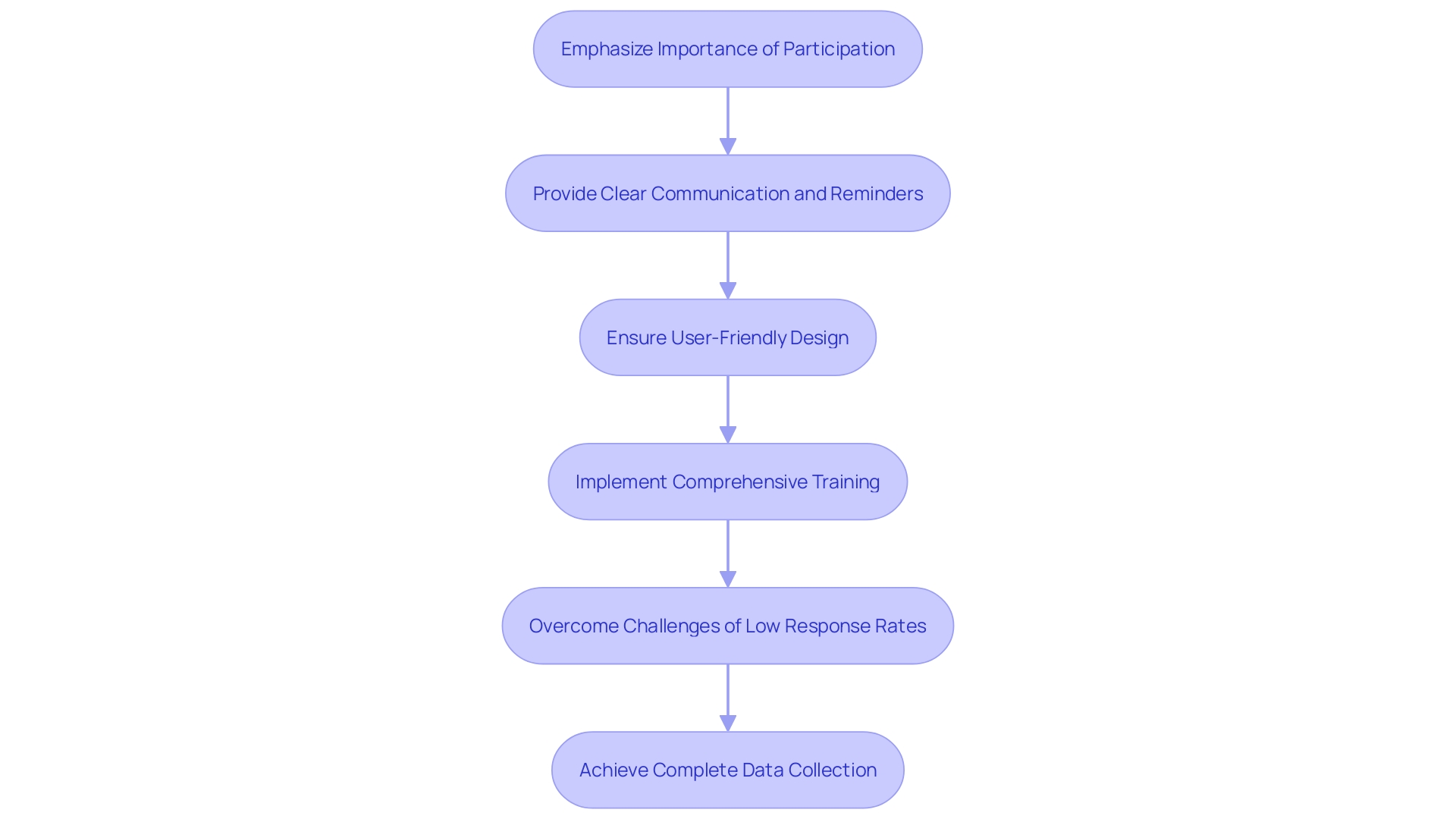
While online scheduling questionnaires offer numerous advantages, their implementation can sometimes present challenges. One significant hurdle is the reluctance or low prioritization among group members to respond, resulting in incomplete data. To tackle this, it’s crucial to emphasize the importance of participation through clear communication and timely reminders. Moreover, ensuring the questionnaire is across various devices—be it smartphones, tablets, or desktops—can significantly boost engagement. Evidence from a study involving 700 teams and 9,000 employees shows that comprehensive training and intuitive design can lead to higher completion rates and more reliable data. As the U.S. Census Bureau highlights, meeting information needs in the modern digital era requires innovative approaches and continual modernization, making it imperative to streamline survey processes and enhance user experience.
Conclusion
Scheduling surveys are transforming the way teams manage their meetings, making the process smoother and more efficient. By gathering input on availability, these surveys ensure that meetings are held at times that work for the majority, leading to increased attendance and more productive discussions. With the rise in remote work, the importance of efficient scheduling has become even more apparent, as a significant portion of employees’ time is now dedicated to meetings.
Implementing best practices when conducting scheduling surveys is essential. Clearly defined objectives, straightforward questions, and timely distribution of surveys can enhance participation. Transparency in sharing results fosters a sense of inclusion and helps align expectations among team members.
By following these guidelines, the effectiveness of scheduling surveys can be maximized, leading to better outcomes for the entire team.
Feedback is another critical component in refining the scheduling process. It not only shows that team members’ time is valued but also allows for continuous improvement. By incorporating feedback, organizations can adapt their scheduling methods to meet evolving needs, creating a more engaged and productive work environment.
Utilizing modern scheduling tools can further streamline the process. Platforms like Doodle and Calendly simplify the sharing of availability, reducing the chances of errors and miscommunications. These tools are essential in today’s fast-paced work landscape, where every minute counts.
While challenges in implementing scheduling surveys exist, addressing them through clear communication and user-friendly design can enhance participation and data reliability. By embracing these strategies, teams can overcome obstacles and improve their meeting efficiency, ultimately leading to a more cohesive and productive work environment.
Frequently Asked Questions
What is the purpose of planning questionnaires?
Planning questionnaires are designed to gather feedback from team members about their availability. This ensures that gatherings are scheduled at convenient times for most participants, boosting attendance and enhancing the quality of discussions.
How do planning questionnaires improve meeting attendance?
By considering the availability of team members, planning questionnaires help in scheduling meetings at times that work for the majority, which leads to higher attendance rates.
What impact has remote work had on meeting frequency?
A study by Harvard Business Review found that remote work resulted in a 13.5% increase in the number of meetings employees participated in, highlighting the need for effective planning tools.
Why are organizing surveys beneficial for meetings?
Organizing surveys reduce the time spent on back-and-forth communications typically associated with scheduling, allowing teams to focus more on their core tasks and improving overall efficiency.
How can surveys enhance individual discussions in software development?
Utilizing planning questionnaires can structure one-on-one meetings between managers and employees, ensuring these discussions are timely and impactful while improving communication and team cohesion.
What best practices should be followed when creating scheduling assessments?
Clearly outline the goals of the questionnaire. Use straightforward and easily understood questions. Share the questionnaire in advance to allow for thoughtful responses. Communicate the results transparently to align group expectations.
How does feedback contribute to effective planning?
Regular feedback on the effectiveness of meeting times helps refine future planning processes, ensuring they adapt to the group’s needs, which fosters a more engaged work environment.
What tools can assist in organizing surveys?
Tools like Doodle, Calendly, and Google Calendar allow team members to share their availability easily, simplifying the scheduling process and reducing errors.
What challenges might arise when implementing online scheduling questionnaires?
Challenges include low participation rates and incomplete data. Emphasizing the importance of participation through clear communication and creating user-friendly questionnaires can help mitigate these issues.
How can participation in online surveys be improved?
To enhance engagement, ensure the survey is accessible across devices and consider training team members on the importance of participation. Timely reminders can also help increase response rates.
Why is transparency important in sharing survey results?
Transparency in sharing results fosters a sense of inclusion among team members, helping everyone understand the reasoning behind meeting times and aligning their expectations.
What role does artificial intelligence play in improving scheduling assessments?
Advances in AI have streamlined the research process, allowing businesses to gather data more efficiently, which informs better decision-making regarding meeting planning.
