
Exploring the Impact of a Schedule Program Online on Team Efficiency

Introduction
In today’s fast-paced world, understanding what makes a team effective is essential for any organization striving for success. Clear communication, defined roles, and efficient processes are the backbone of team effectiveness, ensuring everyone knows their tasks and deadlines. The role of technology in enhancing team efficiency cannot be overstated, with tools like online scheduling apps and AI-driven platforms revolutionizing how teams coordinate and collaborate.
Online scheduling tools simplify the process of setting up meetings, reducing unnecessary back-and-forth communication and minimizing wasted time. Furthermore, real-time collaboration tools enable teams to make faster decisions and adapt quickly to changing priorities. This article delves into the components of team effectiveness, the impact of technology, and the benefits of online scheduling, providing insights and real-world examples to illustrate how these elements come together to create a productive and cohesive team environment.
Benefits of Online Scheduling for Teams
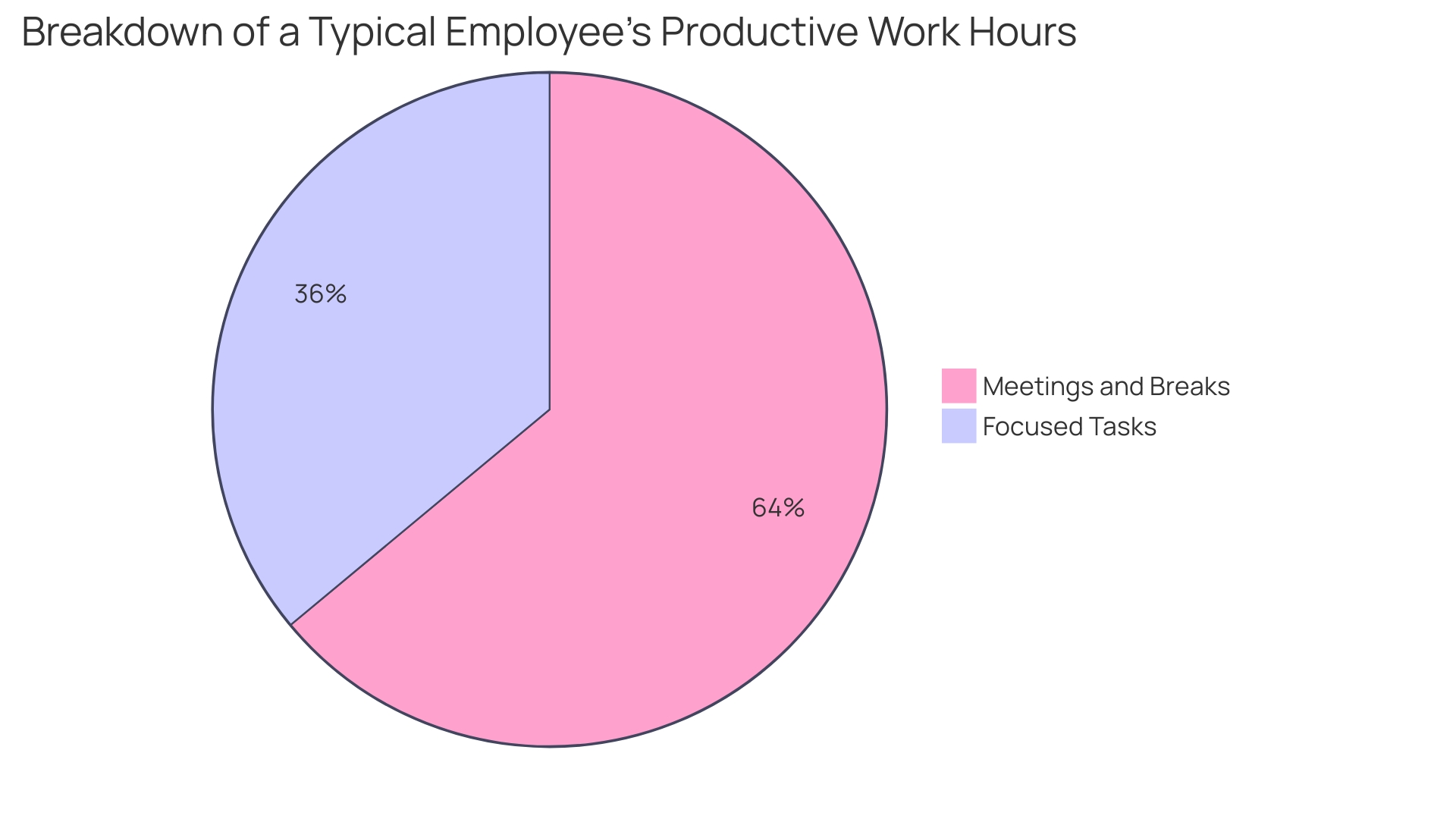
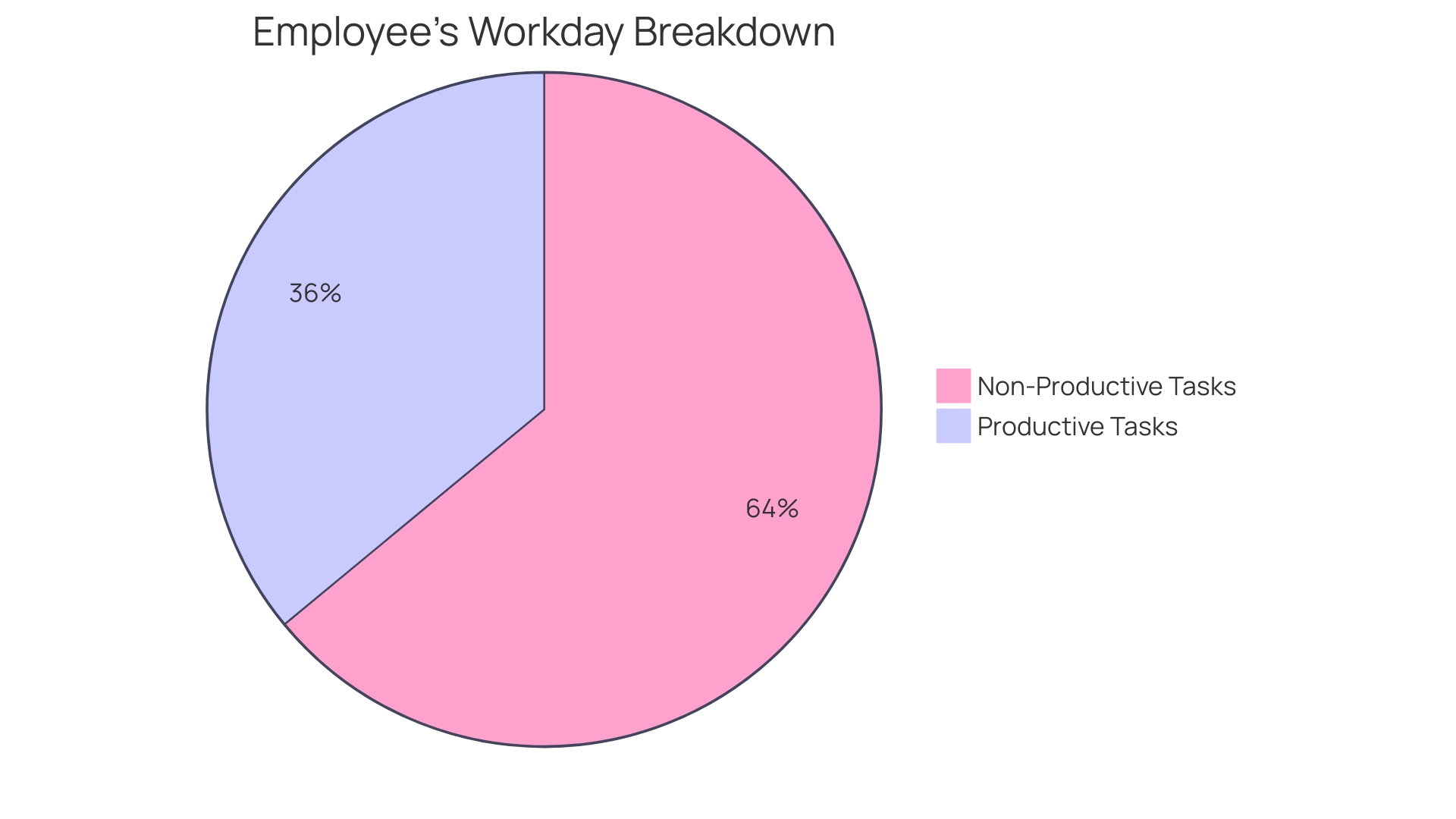
Internet-based scheduling applications have greatly changed how groups organize their time, providing a smooth method to view availability, arrange meetings, and organize projects. Tools like Gantt charts, especially those powered by JavaScript such as Schedules, provide dynamic, real-time updates crucial for adapting to project changes. This interactivity helps project managers make instant adjustments, ensuring the schedule remains accurate and relevant. For instance, the Twinkl group in educational publishing uses Toggl Track to manage their diverse and global projects efficiently. They have discovered that such resources not only increase productivity but also lead to happier, more unified groups. Moreover, La Mobilière’s flexible cross-disciplinary groups gain from these resources by harmonizing their diverse departmental requirements and objectives, resulting in a more streamlined process and a more cohesive group dynamic. This shift is crucial as 58% of American workers report being so overwhelmed with daily tasks that they can only focus on immediate to-dos, and the typical employee is productive for just 2 hours and 53 minutes per day. Utilizing can therefore be a game-changer in enhancing overall productivity.

Improved Efficiency and Productivity
Online scheduling tools are revolutionizing group productivity by streamlining the process of organizing meetings and reducing scheduling conflicts. These platforms enable group members to focus on their primary tasks without the distraction of endless back-and-forth communications. For example, the Twinkl group, functioning in the educational publishing field, utilizes Toggl Track to effectively oversee their hours across different marketing campaigns. This has resulted in a happier, more productive team, as they can now meet expectations without any unpleasant time-management surprises.
In addition, the advantages of digital calendars are clear from a survey carried out by Slack and Qualtrics, which discovered that proactive planning and keeping a balance between focus periods, collaboration, and breaks significantly enhance productivity. For example, desk workers reported that dedicating around four hours a day to focused tasks and limiting meetings to two hours maximizes efficiency. This organized method of managing hours not only facilitates quicker decision-making but also ensures a healthy work-life balance.
Additionally, according to statistics, the typical employee is only per workday. By using online planning resources, groups can maximize this limited productive period. Tyler Bishop, a product manager at Ari Bikes, exemplifies this by using collaborative resources to coordinate with his colleagues across engineering, sales, and marketing. This centralized system enables quick access to information and organized discussions, which accelerates project completion and enhances overall group efficiency.
Streamlined Communication and Collaboration
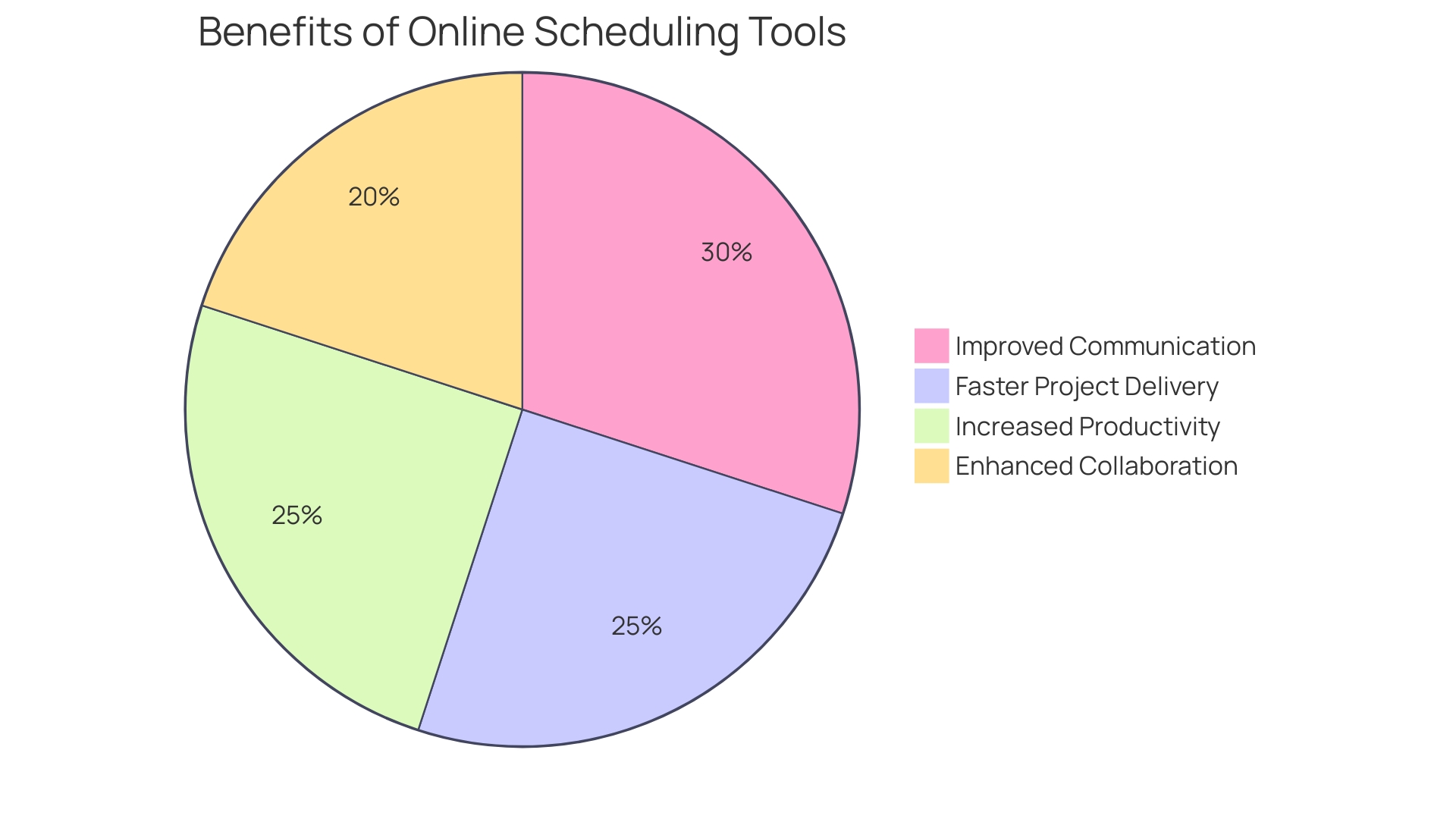
Online scheduling tools significantly enhance group communication by providing a centralized platform where all members can access schedules and updates. This clarity is essential for minimizing misunderstandings and ensuring everyone is and project deadlines. For instance, the Twinkl group, working in educational publishing, uses Toggl Track to effectively manage their hours, resulting in happier and more productive members who can meet their expectations without unpleasant surprises. In the same way, La Mobilière’s nimble teams encounter the challenge of coordinating across different divisions such as sales and legal, but through efficient planning resources, they guarantee seamless collaboration and project implementation.
‘The significance of these resources is emphasized by the fact that 85% of companies utilizing cloud-hosted project management solutions report faster project delivery times.’. Effective planning not only streamlines processes but also fosters real-time collaboration, as seen with Lightning Bolt, which is praised for its ease of use and ability to improve care coordination in healthcare settings. By leveraging these tools, groups can prioritize tasks better, reflect on weekly progress, and recognize standout performances, making collaboration more effective and enjoyable.
Automated Reminders and Notifications
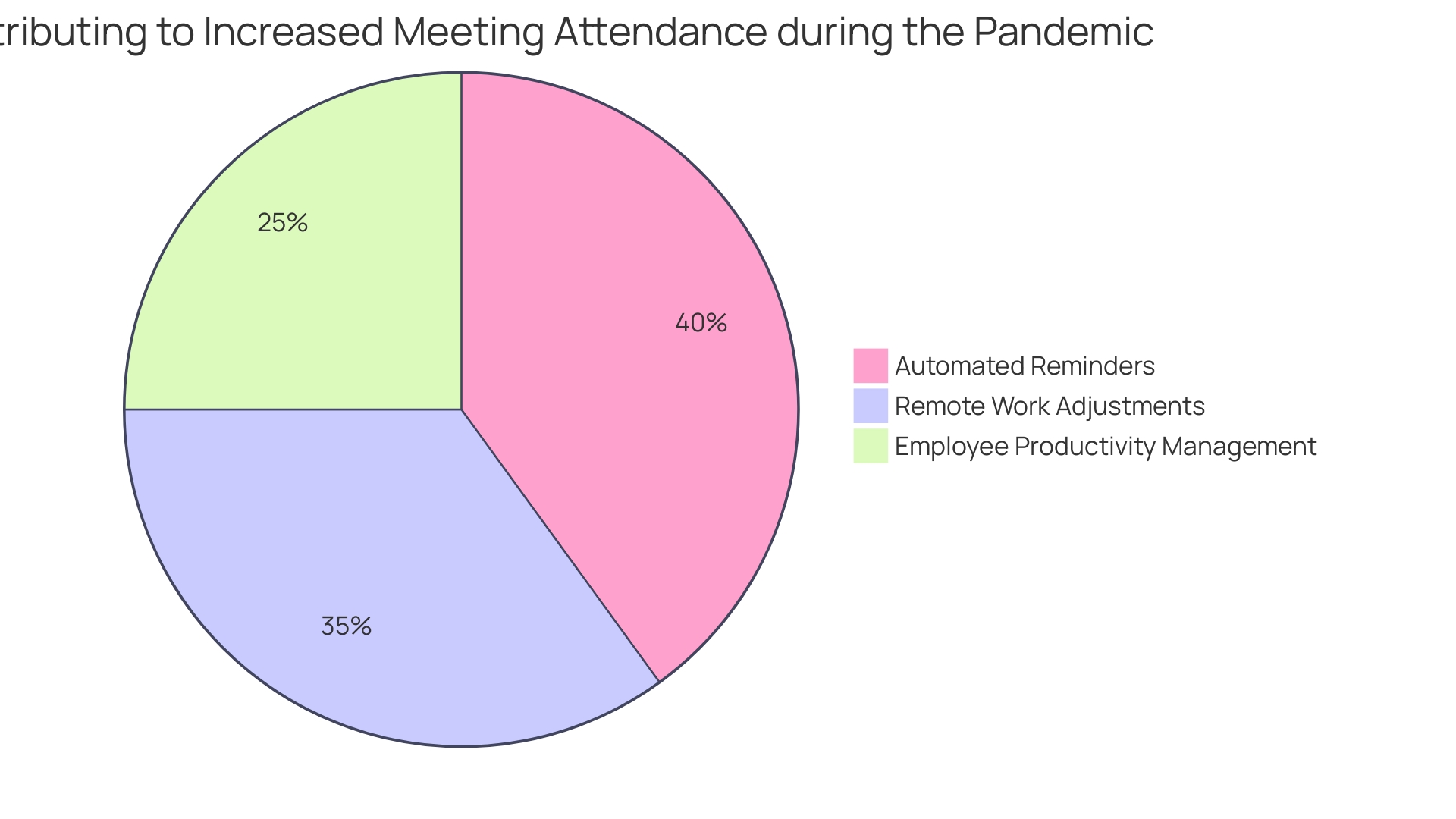
One of the standout features of online scheduling is the ability to send automated reminders and notifications. ‘This functionality is crucial for keeping group members aligned with their commitments and reducing the chances of missed meetings.’. According to a survey by Harvard Business Review, the number of meetings attended by an average worker rose by 13.5% during the pandemic, making it even more essential to ensure everyone stays informed. Automated reminders help to mitigate the by keeping everyone on the same page. As Sheila Mie Legaspi, President of Cyberbacker, notes, the pandemic has underscored the importance of remote work and the need for better ways to help employees manage their productivity. By utilizing these reminders, groups can maintain cohesion and efficiency, avoiding the pitfalls of missed or uncoordinated meetings.
Integration with Calendars and Existing Systems
Web-based planning resources have become essential for overseeing group workflows effectively. Many of these resources provide seamless integrations with existing calendar applications and project management systems. This integration guarantees that groups can keep utilizing their familiar tools while taking advantage of improved planning features. By connecting to platforms they already use, teams can streamline operations and minimize the disruptions typically associated with adopting new technologies.
In the bustling world of , there are solutions tailored for various needs, from NGOs and multinational enterprises to small businesses and digital nomads. This variety can make selecting the appropriate implement a daunting task. However, the real advantage lies in discovering a resource that integrates well with your current systems, thus reducing the friction of transition and enhancing productivity. For example, incorporating these resources can streamline the reservation procedure, conserving precious hours that can be redirected towards essential business tasks.
Moreover, statistics reveal that the typical employee is only productive for about 2 hours and 53 minutes per workday. This underscores the importance of optimizing the remaining time through effective scheduling and integration. With the right tools, even small businesses can enhance their operational efficiency, ensuring that every minute counts.
Conclusion
Effective teamwork is built on a foundation of clear communication, defined roles, and efficient processes. These elements work together to create an environment where everyone understands their responsibilities, leading to increased accountability and progress. The transformation seen in organizations like the Latin American bank highlights the importance of clarity in roles and expectations, proving that a structured approach can significantly enhance productivity and employee well-being.
The role of technology in this equation cannot be overlooked. Tools such as online scheduling apps and AI-driven platforms have revolutionized how teams coordinate and collaborate. By simplifying meeting setups and automating reminders, these technologies help eliminate scheduling conflicts and promote a more organized workflow.
The experience of Delivery Hero demonstrates how automated solutions can drastically reduce wasted time, allowing employees to focus on their core tasks instead.
Online scheduling tools offer numerous benefits that directly impact team productivity. By reducing unnecessary back-and-forth communication, they enable team members to find suitable times for collaboration effortlessly. This streamlined approach is particularly crucial in today’s remote work environment, where meeting attendance has surged.
With everyone on the same page, teams can minimize wasted time and channel their energy into more productive activities.
Real-time collaboration tools further enhance decision-making and adaptability. A centralized scheduling system acts as a digital command center, allowing teams to respond swiftly to changes and unexpected developments. This agility fosters a responsive work environment where teams can thrive and adjust their strategies as needed.
Overall, embracing these technologies not only improves team effectiveness but also cultivates a more engaged and productive workforce.
Frequently Asked Questions
What are the key components that contribute to team effectiveness?
Team effectiveness thrives on clear communication, defined roles, and efficient processes. These elements help coordinate tasks, deadlines, and responsibilities, boosting accountability and collective progress.
How does technology enhance group efficiency?
Technology, such as online planning applications, automates scheduling and offers insights into team members’ availability, reducing scheduling conflicts and promoting a more organized workflow.
Can you provide an example of a company that improved efficiency through technology?
Delivery Hero, operating in over 70 countries, implemented automated solutions to manage access and coordination. This drastically reduced the time spent on account recovery from 35 minutes per request to almost zero, allowing for more productive work hours.
What role do AI-powered platforms play in scheduling?
AI-powered platforms, like Microsoft Places, facilitate seamless coordination of in-office hours and enhance visibility of coworkers’ schedules, enabling employees to better plan for face-to-face interactions essential for collaboration.
What statistics highlight the importance of effective scheduling?
Research indicates that 83% of workers spend up to a third of their workweek in meetings, with remote work increasing meeting attendance by 13.5%. Effective scheduling tools can help teams regain time for more focused work.
How do online scheduling tools benefit group productivity?
Online scheduling tools reduce back-and-forth communication when setting up meetings, allowing team members to easily find suitable times for collaboration, ensuring discussions occur when everyone is available.
What is the advantage of a centralized scheduling tool?
A centralized scheduling tool acts as a digital command center, enabling real-time updates and modifications. This promotes agile decision-making and helps teams adapt quickly to unexpected developments or shifting priorities.
How do tools like JavaScript-powered Gantt charts enhance scheduling?
These tools provide dynamic and interactive visual timelines that allow swift adjustments, keeping schedules accurate and relevant while enhancing communication and operational performance.
What impact does technology have on email management?
AI tools like Copilot can significantly reduce the time employees spend reading emails, saving up to 50 minutes a week, which contributes to improved organization, coordination, productivity, and work-life balance.
